How The Galactic Underground Began
The Galactic Underground began with a simple idea: people who love building costumes, props, armor, and other creations inspired by their favorite fictional worlds should have a place where they can come together, share what they know, learn from one another, and find other people who share the same passion. For Jason, cosplay was about much more than simply putting on a costume.
It was about the creativity, problem-solving, craftsmanship, friendships, and shared experiences that went into bringing an idea to life.
“It was about the creativity, problem-solving, craftsmanship, friendships, and shared experiences that went into bringing an idea to life.”
Jason wanted to create a community where experienced builders could share their knowledge with beginners, where people could ask questions without feeling intimidated, and where creators could find inspiration and encouragement to take on projects they might not have attempted on their own. He envisioned something that could bring together makers, cosplayers, prop builders, 3D printing enthusiasts, Star Wars fans, and anyone who enjoyed creating things with their own hands.
YouTube became the starting point for bringing that vision to life. Through his videos, Jason began documenting his own projects and sharing the techniques, challenges, and lessons he picked up along the way.
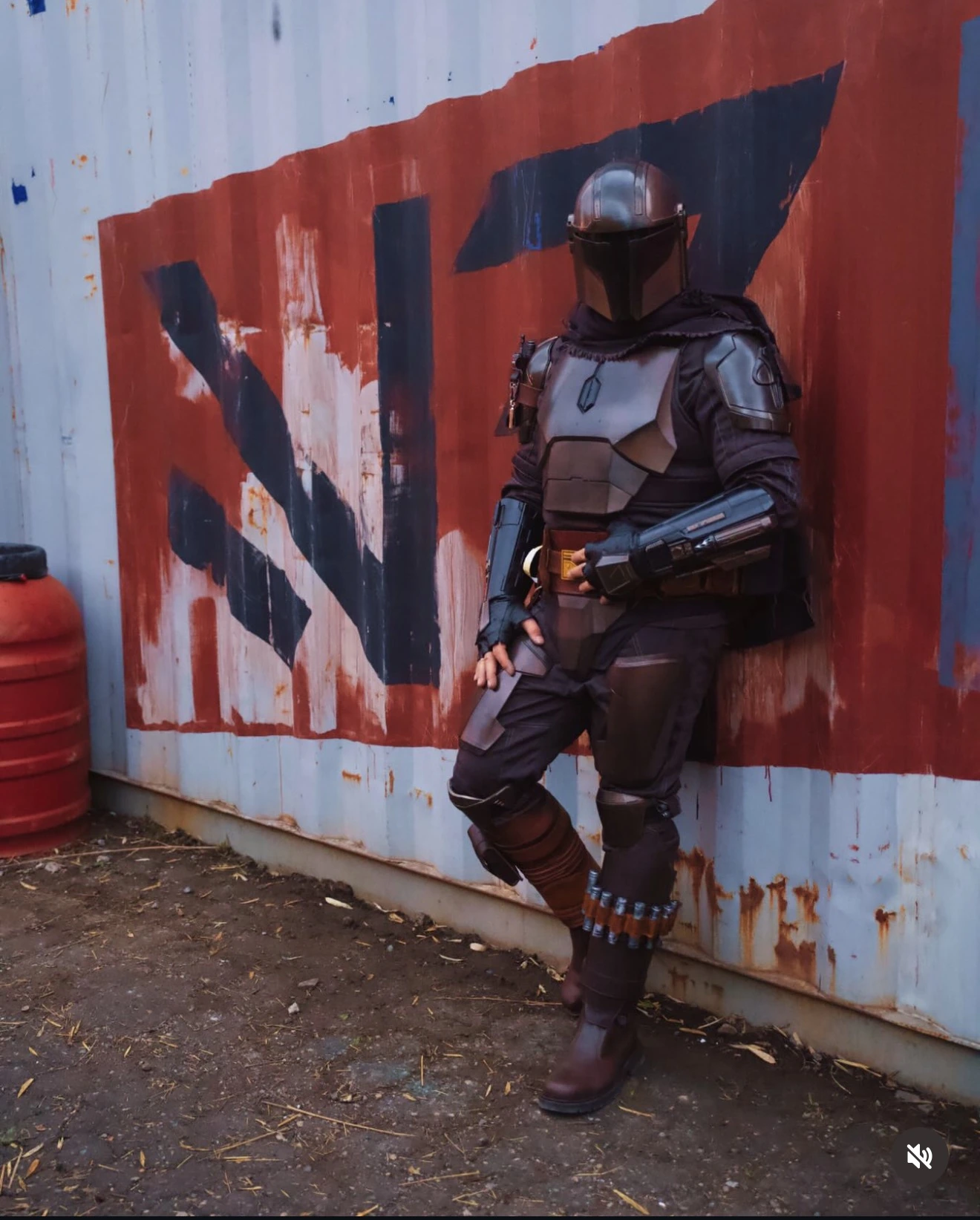
He showed viewers how he fitted and assembled Mandalorian armor, prepared and finished 3D-printed parts, worked through difficult builds, and found creative ways to reuse misprints and pieces that didn’t turn out quite as expected. Rather than only showing polished, completed projects, he wanted people to see the entire process: the trial and error, the adjustments, the mistakes, and the satisfaction of finally getting something right.
That approach helped make the hobby feel more accessible. Not everyone had expensive equipment, years of experience, or a fully equipped workshop, but everyone could learn something, experiment, and improve. Jason’s videos gave viewers practical information they could apply to their own builds while also creating a common ground for conversations between people who might otherwise never have met.
As the channel grew, those conversations began moving beyond YouTube. Discord became a place where viewers and builders could interact more directly, post pictures of their projects, ask for advice, share progress updates, trade materials and spare parts, and compare techniques for painting, weathering, assembly, and finishing props.
It became an extension of the workshop: a place where people could help each other solve problems, celebrate completed projects, and encourage one another through the more frustrating stages of a build.
Instagram and conventions opened additional doors. Jason connected with other creators, cosplayers, photographers, prop builders, and filmmakers, expanding the circle of people involved in the community. Some of those connections turned into friendships, some developed into creative collaborations, and others became opportunities to feature fellow builders and their work in videos.
Over time, The Galactic Underground grew into more than a YouTube channel or a Discord server. It became an umbrella for several interconnected projects, each with its own identity and purpose, but all built around the same underlying idea: bringing creative people together and giving them a place to share what they make.
Jawa Junkyard: Where Creativity Meets the Scrap Pile
Jawa Junkyard represented the hands-on workshop and maker side of The Galactic Underground. Inspired by the scavenging Jawas of Tatooine, the concept embraced the idea that almost anything could be useful if you were willing to look at it differently.
Instead of treating leftover materials, failed prints, broken components, and unused project pieces as garbage, Jason saw them as opportunities to create something new.

The philosophy behind Jawa Junkyard was simple: a good builder doesn’t always need brand-new materials or expensive equipment. Sometimes the most interesting creations come from figuring out how to make something useful out of what is already available.
Jason applied that approach to his Star Wars-inspired projects, particularly Mandalorian armor, helmets, blasters, and other costume accessories. His workshop became a place for experimenting with different designs, modifying printed components, repairing damaged pieces, and combining leftover materials with newly printed parts.
A failed print might become the foundation for another project, a spare component could be modified to solve a fitting problem, and an otherwise unusable piece could be repurposed into a detail that made a prop look more authentic.
Jawa Junkyard also gave Jason an opportunity to show the less glamorous but incredibly important side of prop building. A 3D print coming off the printer is rarely a finished product.
It still needs to be cleaned, assembled, sanded, filled, primed, painted, weathered, and sometimes modified several times before it looks the way the builder originally envisioned. Jason documented those stages and shared what worked, what didn’t, and what he learned when a part didn’t fit correctly or a particular finishing technique failed to produce the desired result.
The goal was not simply to show people how to make a particular prop. It was to help them understand the thought process behind building, troubleshooting, and creating. By showing how he approached problems, Jason hoped to give other builders the confidence to experiment and develop their own techniques rather than feeling that every project had to follow a perfect set of instructions.
The Jawa Junkyard concept eventually extended into the community itself. Within its Discord space, members could exchange spare parts, discuss projects, and help one another find materials they needed.
Jason also made inexpensive extra prints available from his own printing queue, giving people access to additional components without requiring them to own a 3D printer or spend a considerable amount of money on equipment.
This was an important part of the original community vision. Not everyone had the same resources, tools, experience, or budget, and Jason wanted Jawa Junkyard to help lower some of those barriers.
Whether someone was an experienced maker looking for a particular component or a beginner trying to get their first costume started, the Junkyard was intended to be a place where people could find a way to participate.
At its heart, Jawa Junkyard was about resourcefulness, experimentation, and the belief that a project doesn’t have to be perfect from the beginning. Sometimes the best creations start with a pile of leftovers and a willingness to see what can be made from them.
Inside the Sarlacc Saloon: A Cantina Built for the Community
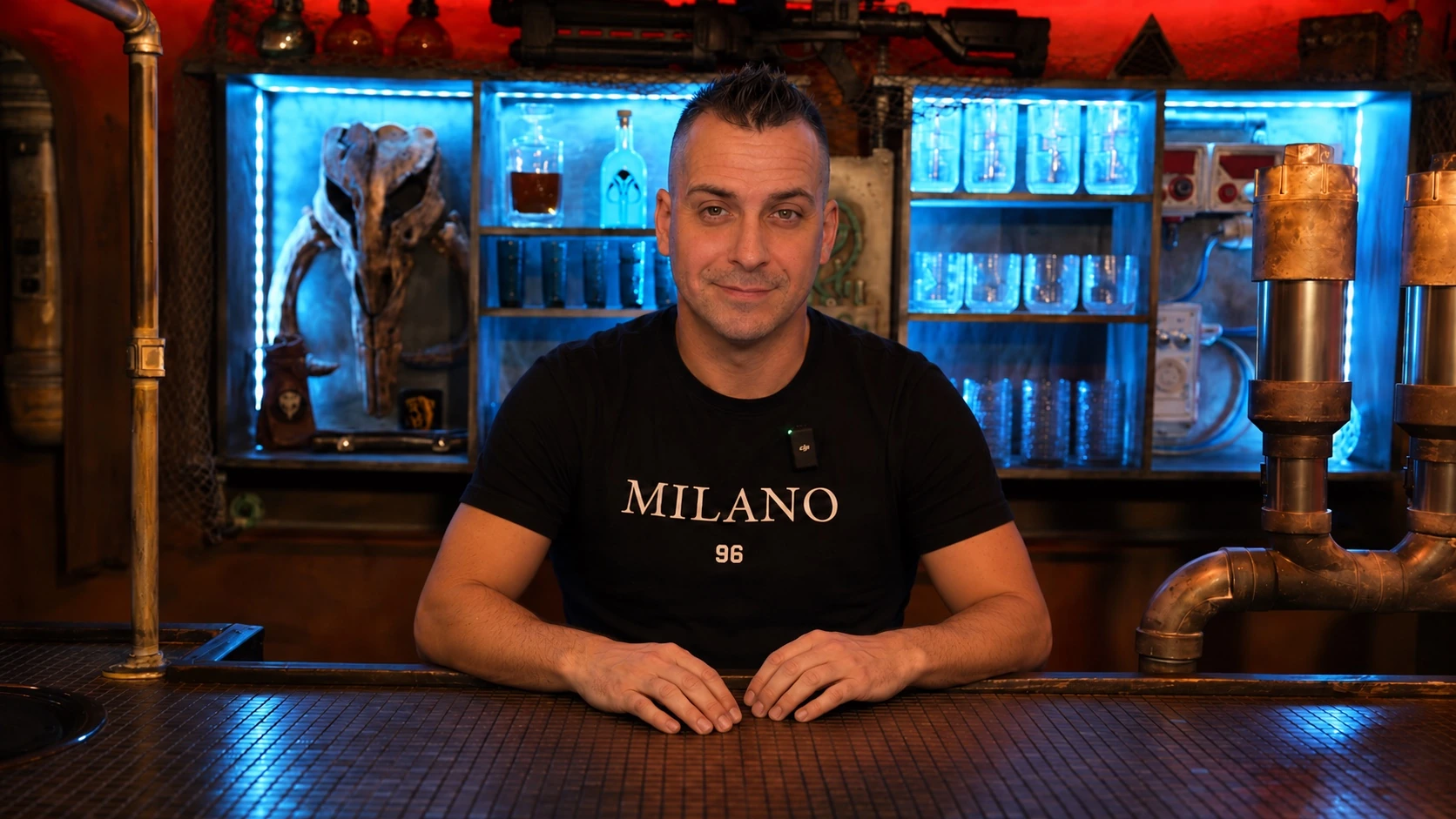
The Sarlacc Saloon was one of the most ambitious and recognizable physical projects associated with The Galactic Underground. What began as an idea to create a more interesting filming environment eventually became a working, Star Wars-inspired cantina built right inside Jason’s basement.
Rather than settling for a simple backdrop or a few decorative props, Jason wanted to create an environment that felt like a real gathering place somewhere in the Star Wars galaxy. He envisioned the kind of establishment where travelers, bounty hunters, smugglers, mechanics, and Mandalorians might stop to relax, share stories, and exchange information after a long day in the Outer Rim.
Building the Saloon meant transforming an ordinary basement space into a themed environment with functional features and custom-built elements. Jason incorporated a homemade tap system and even recessed a working grill directly into the bar.
These additions helped make the space more than a decorative set. It was designed to be an actual, usable environment that combined the atmosphere of a Star Wars cantina with the practical features of a working entertainment space.
The Sarlacc Saloon also served an important purpose for the channel. It provided Jason with a dedicated location to film interviews, cosplay spotlights, equipment and gear reviews, discussions, and channel updates. Instead of filming every video in a conventional workshop setting, he now had a location that helped establish the personality and visual identity of The Galactic Underground.
It also created an opportunity to bring other members of the cosplay and maker community into the space. Visiting builders and creators could sit down, talk about their projects, explain how they approached difficult builds, and share the stories behind their costumes and props.
The Saloon provided a more relaxed setting for those conversations, allowing the focus to shift away from simply showing off finished costumes and toward the people, experiences, and creative processes behind them.
In many ways, the Sarlacc Saloon represented the social side of The Galactic Underground. The workshop was where things were built, but the Saloon was where people could come together and talk about what they had built. It helped turn the idea of an online community into something with a physical gathering place and a recognizable identity.
The project also reflected Jason’s approach to the entire brand: take an idea, build it yourself, make it functional, and have fun with the process. The result was a unique filming environment that became part of the personality of The Galactic Underground.
The Sarlacc Saloon was the Star Wars bar Jason built in his basement. Along with the droid workshop and code slicer’s workspace, it gave the channel a physical setting built around the same details Jason looks for in production design.
The Dax Solus Show and the Dax Solus Saga: Building a Character and a Story
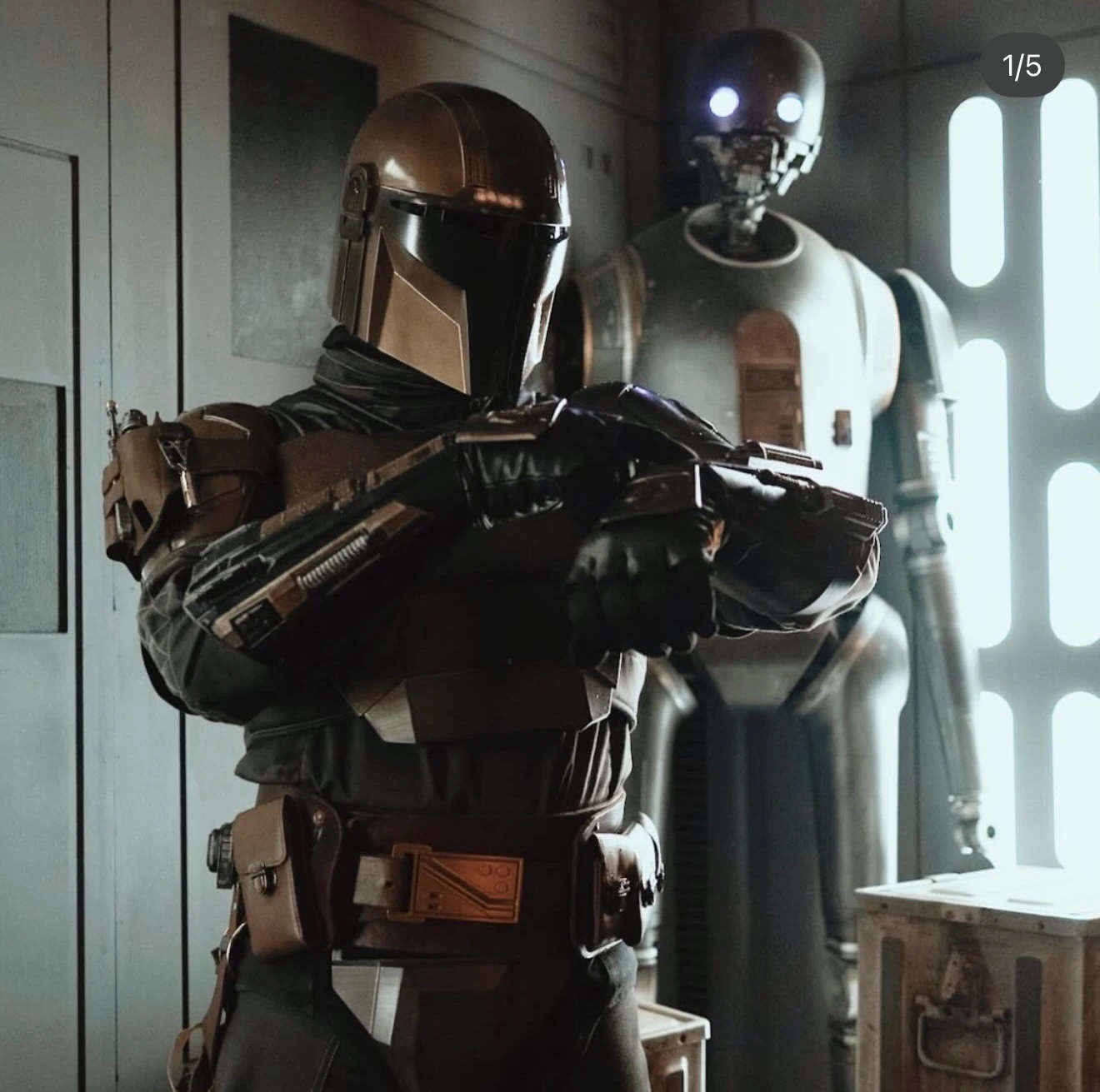
One of the most personal creative projects to emerge from The Galactic Underground was Dax Solus, Jason’s original Force-sensitive Mandalorian character.
Rather than simply creating another Mandalorian costume based on an existing character, Jason wanted to develop someone who belonged to his own interpretation of the Star Wars universe. Dax Solus became an opportunity to combine costume design, prop building, character development, storytelling, and Jason’s interest in Star Wars lore into one larger creative project.
Jason designed and constructed Dax’s armor, working through the physical details that would give the character a recognizable appearance and personality. But the project didn’t stop with the costume. He also developed the character’s background, history, motivations, and place within the wider Star Wars-inspired setting he was creating.
The character’s connection to the Solus clan provided the foundation for a larger story involving Mandalorian culture, family history, the Force, and the experiences that shaped Dax. As the character developed, Jason began writing stories that explored Dax’s world and the people connected to him.
Those stories became the foundation of the Dax Solus Saga, a continuing narrative presented in individual chapters and audio episodes. Through the Saga, Jason could explore ideas that went beyond what could be communicated through a costume or a YouTube build video.
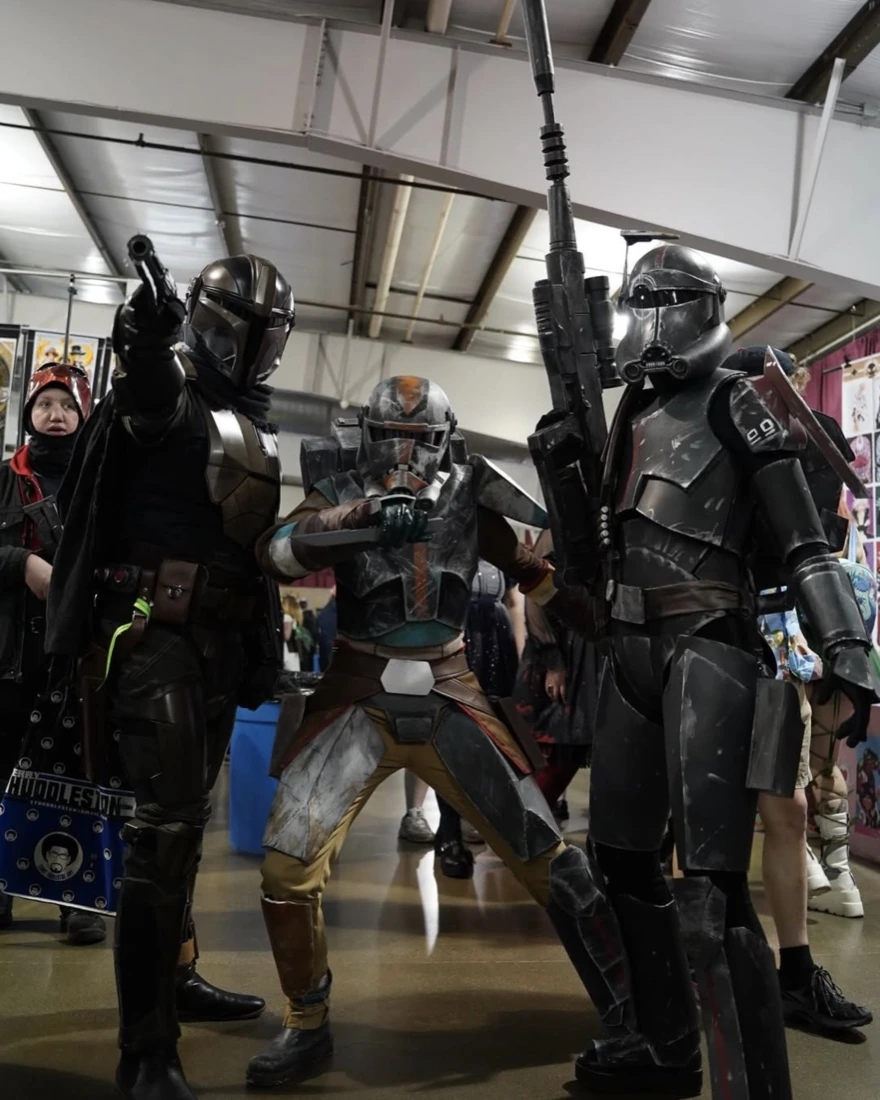
It gave him a way to develop the character’s personality, establish his history, and tell stories that expanded the fictional world surrounding Clan Solus.
The Dax Solus Show was a separate project that grew out of the same creative interests but served a different purpose. Rather than focusing exclusively on the fictional adventures of Dax Solus, the Show was an unscripted series built around Jason’s interests as a Star Wars fan, creator, and cosplayer.
Episodes explored Star Wars lore, fan theories, films, equipment, costumes, and behind-the-scenes aspects of the cosplay community. The Show also provided an opportunity to discuss new projects, review gear, cover conventions, and take viewers behind the scenes of costume builds and fan productions.
The distinction between the two projects was important. The Dax Solus Saga was where Jason developed and shared his fictional storytelling, while The Dax Solus Show was where he could discuss the real-world Star Wars community, explore ideas, and share his experiences as a creator.
Together, they represented two sides of the same creative identity. One was about building a character and telling his story; the other was about exploring the universe, fandom, and community that inspired the character in the first place.
Dax Solus also helped tie together many of the other projects within The Galactic Underground. The armor connected directly to Jason’s workshop and Jawa Junkyard projects, while the character’s story provided material for videos, discussions, and creative collaborations.
It was an example of how costume building, storytelling, and community involvement could all become part of a single larger creative endeavor.
From the Workshop to a Film Set: Guardians Squadron
As Jason became more involved with other creators and members of the Mandalorian cosplay community, opportunities began to develop beyond his own YouTube channel and workshop.
One particularly significant connection came through a conversation with filmmaker Jake Sutton. After discussing Jason’s Mandalorian armor and his work within the cosplay community, Sutton invited him to become involved with Guardians Squadron.
The opportunity would allow Jason to take his experience with costume building and character performance into a fan-film production, where he could contribute both in front of the camera and behind the scenes.
The invitation involved more than simply showing up in costume. Jason was given the opportunity to perform in the production and contribute to its writing, bringing his understanding of Mandalorian characters, costumes, and the Star Wars-inspired community into the filmmaking process.
To take part in the project, Jason made the trip from Michigan to Tucson, Arizona, bringing his camera equipment so he could document the experience along the way. The journey became another opportunity to capture the people and creative work that made the production possible, extending the story beyond the finished film itself.
During his time in Tucson, Jason documented the work taking place at Shroud Industries, where members of Mando Clan Shroud were helping bring a Mandalorian encampment to life. The project demonstrated how a group of cosplayers, builders, and Star Wars enthusiasts could combine their individual skills to create something much larger than any one person could accomplish alone.
The encampment and surrounding set environment required a considerable amount of creativity and coordination. It was about more than assembling a collection of costumes and props.
The goal was to create a believable location that audiences could imagine existing within the Star Wars universe. Every detail helped contribute to the atmosphere, from the physical environment to the costumes and the people inhabiting it.
While documenting the experience, Jason filmed a walkthrough of the set and conducted interviews with Jake Sutton and Jager, the founder of Mando Clan Shroud and Shroud Industries. These conversations provided an opportunity to explore the work that went into developing the film, building the set, coordinating the creative team, and turning an ambitious fan-production concept into something tangible.
For Jason, the experience represented an important step in the evolution of The Galactic Underground. What had originally begun as a way to connect individual builders and share workshop knowledge had opened the door to larger collaborative projects involving filmmakers, performers, prop builders, and organized cosplay groups.
It also reinforced one of the central ideas behind the community: the best creative projects often happen when people with different skills and experiences come together around a shared passion.
The Guardians Squadron experience brought together many of the elements that had shaped The Galactic Underground from the beginning. There was costume construction, character performance, storytelling, filmmaking, behind-the-scenes documentation, and, most importantly, collaboration with other members of the community.
It was a chance to move beyond building something for a costume or a video and become part of a production where those creations could help tell a larger story.
The Channel’s Next Chapter
The community began with a shared passion for Star Wars, cosplay, prop fabrication, and bringing imaginative creations to life. As his filmmaking career and creative ambitions continued to grow, the decision was made to evolve The Galactic Underground into a broader platform under his own name. This natural next step brings his work as a filmmaker, director, and content creator together under one identity, connecting independent film production, cinematography, behind-the-scenes experiences, and hands-on creative craftsmanship. The Galactic Underground remains an important part of that journey, preserving the original projects, content, and community while opening the door to new creative opportunities, collaborations, and audiences. What began as a shared passion for creating has evolved into a platform where filmmaking, storytelling, and worldbuilding come together.